The 2nd Annual DSA Online Dispute Resolution Conference

On 11 June 2026, Dr. Stefania Di Stefano, postdoctoral researcher at the Chair, participated at the 2nd Annual DSA Online Dispute Resolution Conference, which took place in Vienna.
The conference, organised by ADROIT and RTR Medien, two of the certified out-of-court dispute settlement bodies ODS (out-of-court dispute settlement bodies) under the DSA (Digital Services Act), brought together a wide variety of stakeholders, including regulators, digital platform representatives, civil society and academia, to address key developments in the ODS ecosystem, as well as opportunities and challenges for a stronger implementation of the DSA. The conference featured presentations addressing key issues such as the role of Article 21 of the DSA, which empowers users to challenge content moderation decisions by lodging a complaint to ODS body, the applicable law in ODS proceedings, and recommendations on best practices for an effective functioning of ODS bodies.
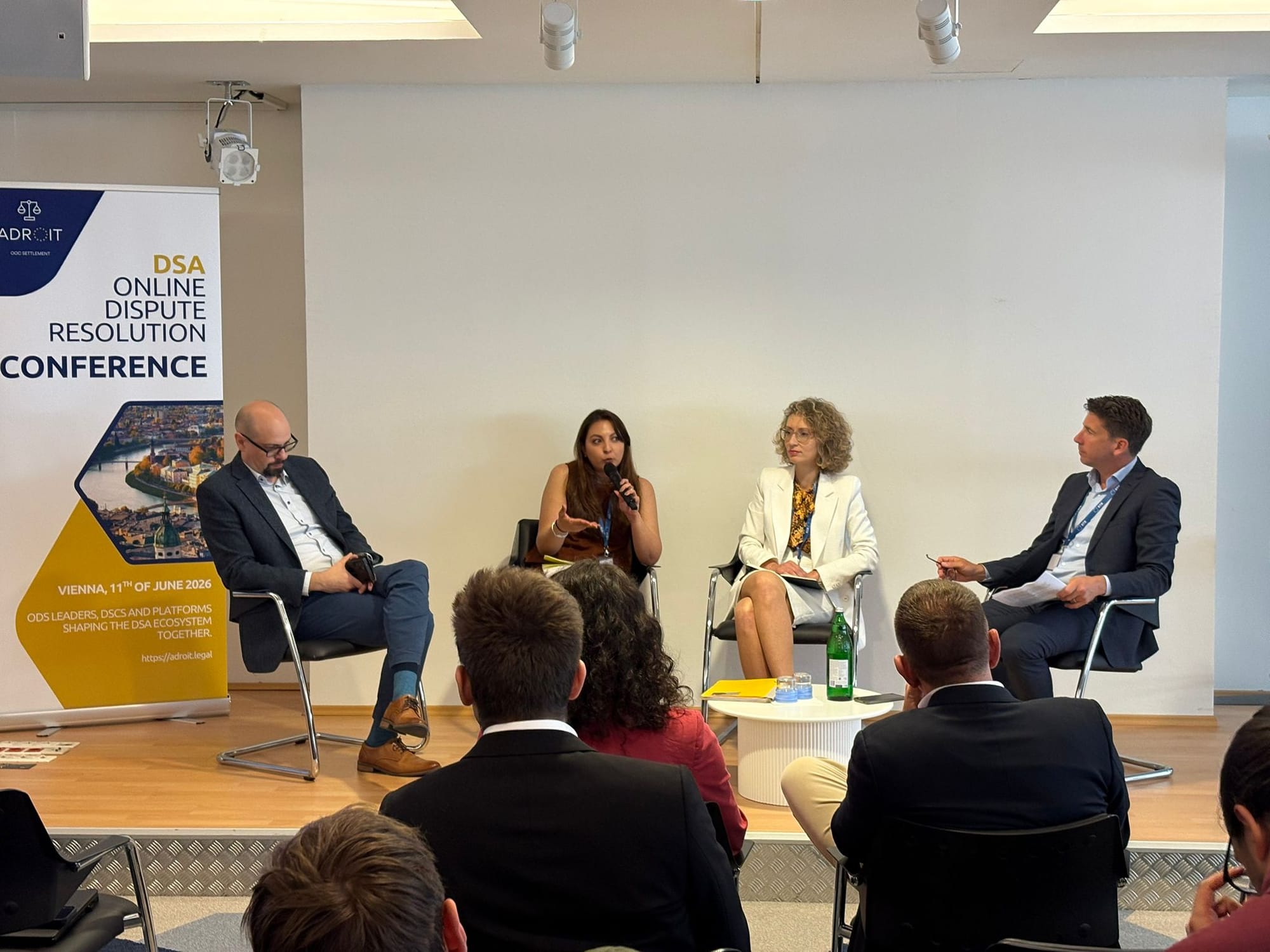
Dr. Di Stefano intervened during a panel discussion on “The practical Significance of the ODS Ecosystem", alongside Julia Radanova (ADR Center, an ODS body certified in Italy), Agius Bernard (Malta Digital Services Coordinator), and Jan Stockhausen (ADROIT) moderating the discussion. Dr. Di Stefano drew attention to the value of the ODS’s decisions. Even though they are not binding for platforms, they still offer an opportunity to increase transparency and provide interesting insights on platforms practices. Dr. Di Stefano underscored the importance of ODS transparency reports, and encouraged ODS bodies to continue making their transparency reports available to the public, despite the fact that they are formally obliged only to share these reports annually with the Digital Services Coordinator that certified them. She emphasised how these reports are extremely valuable to the entire DSA ecosystem, assisting different stakeholders in identifying systemic risks and improving compliance. She also invited stakeholders to take a cautious approach regarding the need for harmonisation among different ODS bodies: as the online platforms ecosystem is incredibly diverse, harmonisation must be viewed as a means of enhancing efficiency while preserving the unique characteristics of different categories of platforms.
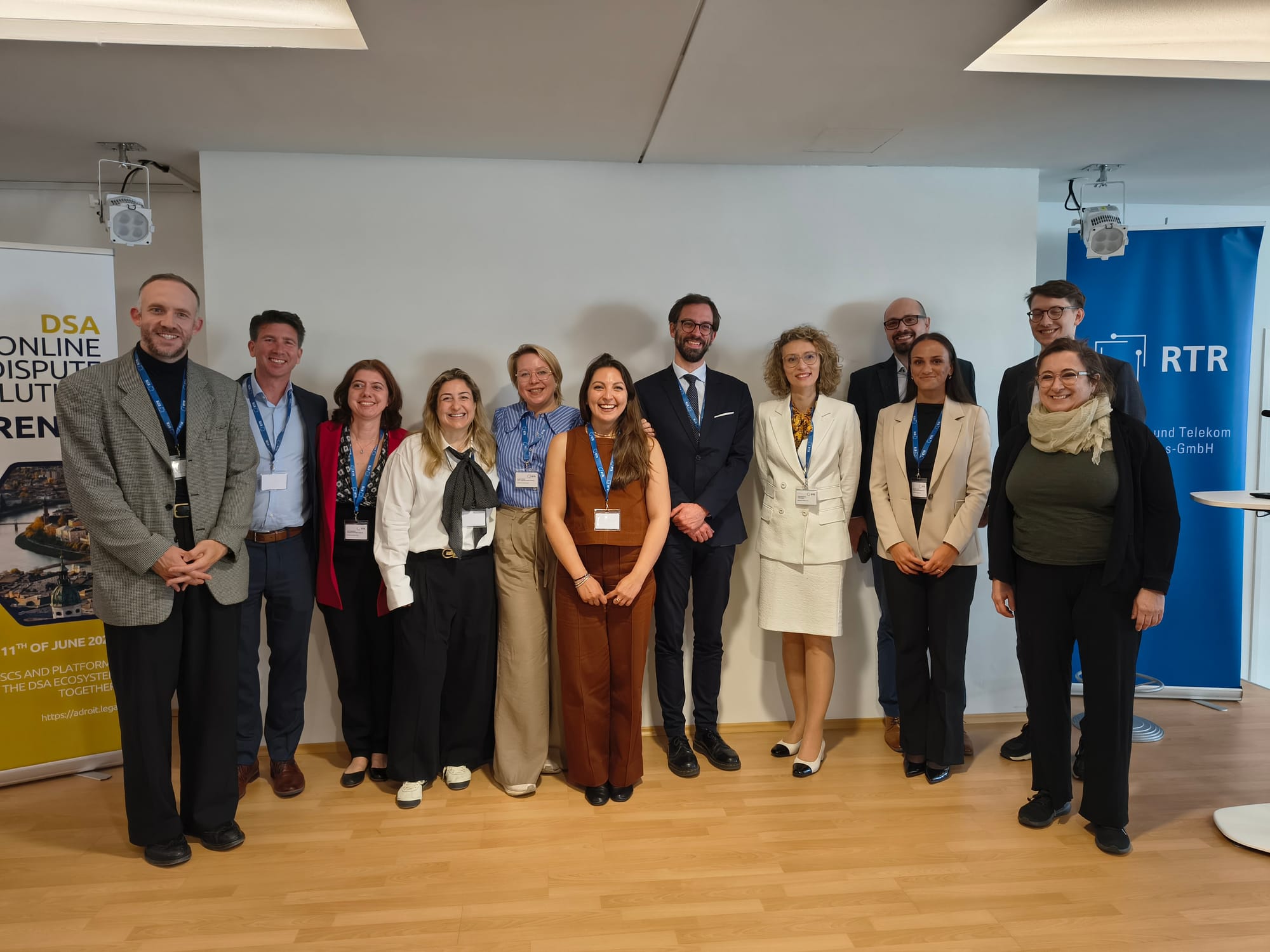
The conference was a great opportunity to deep dive into one innovative mechanism established by the DSA. While many complex questions will require further thinking, the ODS ecosystem has already made interesting progress to ensure that these mechanisms effectively and efficiently contribute in protecting rights in the online sphere.